Hormuz shipping stays a third below normal despite corridor talks
Five commodity vessels transited the strait on Tuesday against a ten-day average of fifteen.
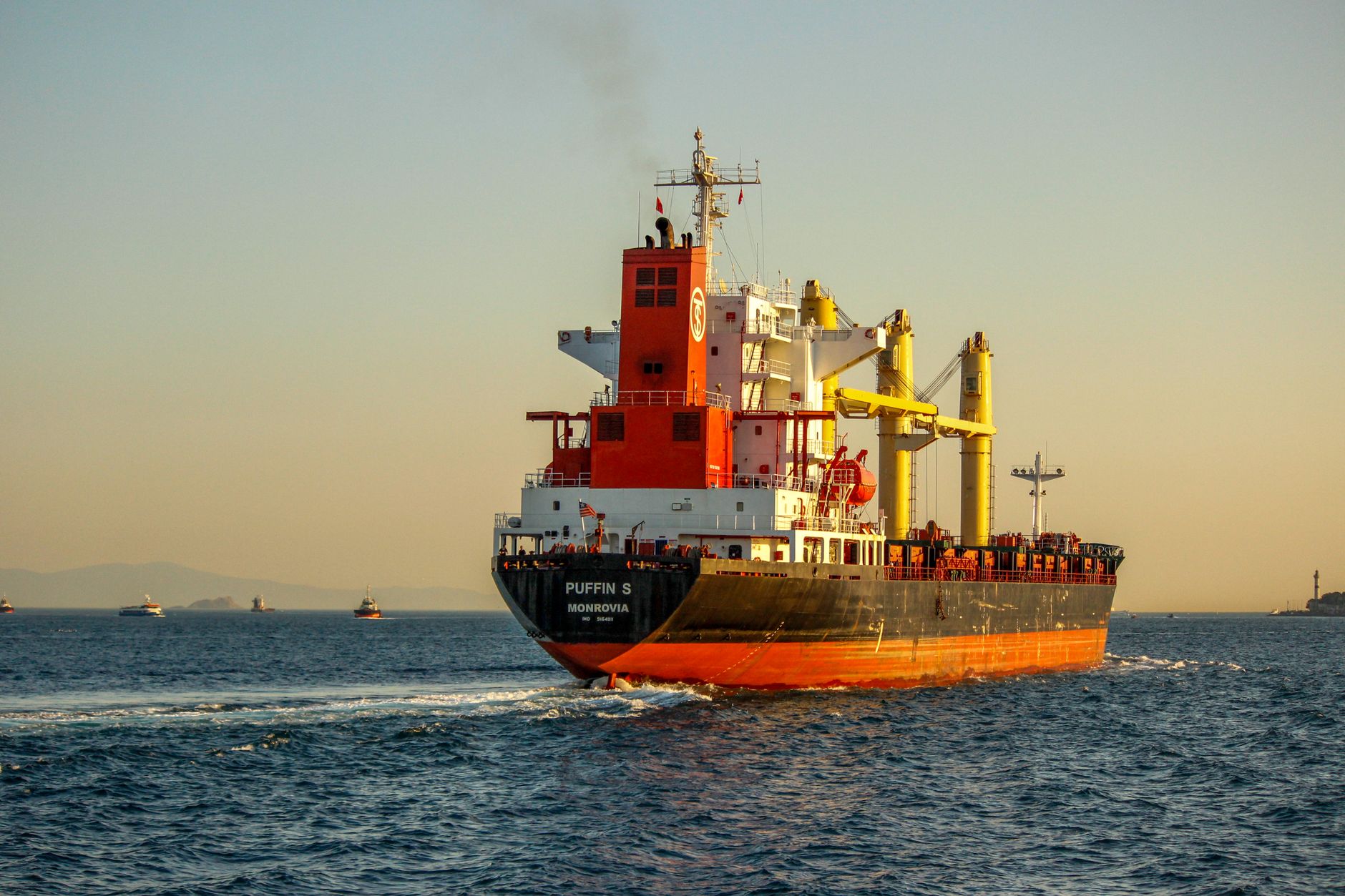
Traffic through the Strait of Hormuz remains far below normal levels even as Iran and Oman discuss a temporary corridor, according to preliminary shipping data.
Five commodity vessels transited the strait on Tuesday, little changed from the previous day but well below the ten-day average of fifteen. Two of the five were tankers carrying liquefied gas.
The gap between diplomatic announcements and vessel movements is the point worth noting. Owners and charterers do not respond to declarations; they respond to insurance terms and to the judgement of their own masters. War-risk cover for the region repriced sharply after disruption began on 28 February, and underwriters typically require a sustained record of uneventful transits before rates fall enough to make marginal voyages viable again.
Traffic through the Strait of Hormuz remains far below normal levels even as Iran and Oman discuss a temporary corridor, according to preliminary shipping data.
Mine clearance compounds the delay. Establishing that a waterway is clear takes substantially longer than mining it, and the verification has to satisfy commercial insurers rather than only the states involved.
Markets nonetheless moved on the announcement, with Brent falling 2.5 per cent to $86.39 and West Texas Intermediate down 2.4 per cent to $80.38. Asian equities edged higher as concerns about a further military flare-up receded.
The divergence between prices, which reprice instantly on expectations, and transit counts, which reflect decisions already taken, is the clearest measure of how far normalisation actually has to run.
Based on reporting by Al-Monitor.